
EV Charger Installations
- May 16, 2023
- Posted by: I-Tech Electrical
- Category: Battery Storage, EV charger, Services
What are the benefits of EVs?
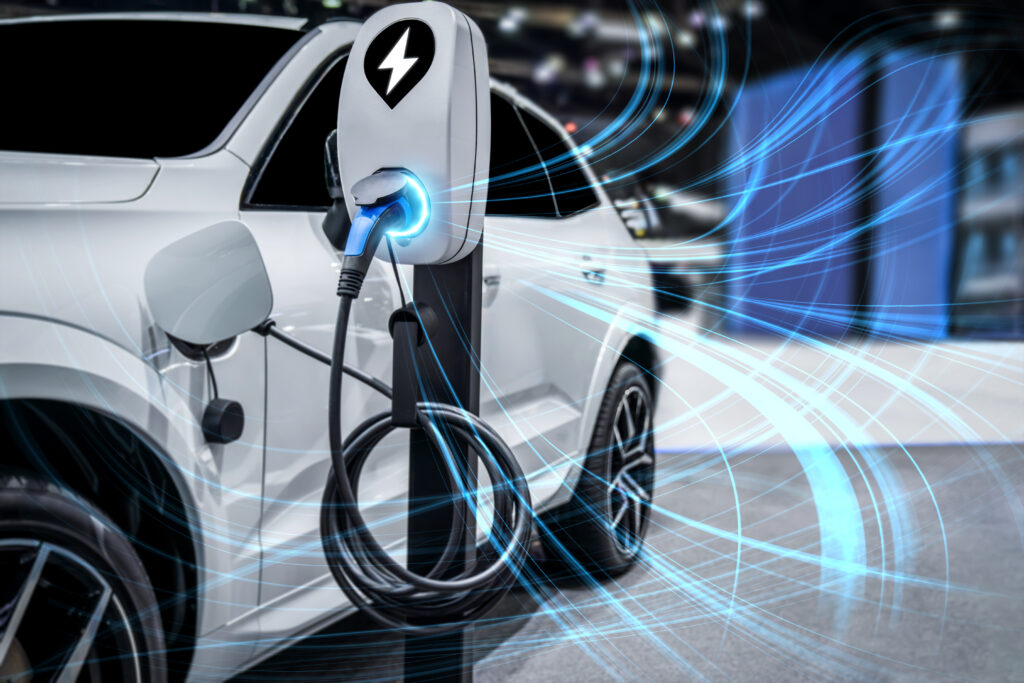
Fast, convenient, and efficient, setting up a dedicated EV charger at home puts you in control of your charging times and range. A growing number of homeowners in Australia are switching to renewable energy sources, which has seen a sharp increase in electric vehicles (EVs). The apparent advantage of an EV is eliminating the need for petrol, meaning less contribution to emissions, but EVs are also significantly cheaper to run than petrol or diesel vehicles.
How are EV charging stations powered?
EV charging relies on the electricity grid, but the grid is changing nowadays. Smart charging will optimize the energy grid by shifting EV charging demand away from peak periods and absorbing excess renewable energy. Smart charging means EV owners are getting the best price by allowing energy retailers to manage to charge times on the owner’s behalf to optimize charge to off-peak periods.
“Smart charging is a huge advantage. With petrol, drivers pay a set price, but EV drivers can schedule their charging to off-peak periods or draw on excess solar.”
How long does EV charging take, and how long does it last?
Charging times depend on the battery and charging point. A standard household socket can reach about 15km per hour. So if you’re like most people who charge overnight, you’ll have a fully charged battery by morning. Alternatively, a public fast charging station can fully recharge your EV in under an hour.
You get 300-650km out of a full charge on average. This is beyond what most people travel in a day.
For a fast and free quote for an EV charger, enter your details, and we will get back to you immediately!
EV charger levels
Three EV chargers are available today: levels one, two, and three. Each charges faster than the previous level and requires more energy.
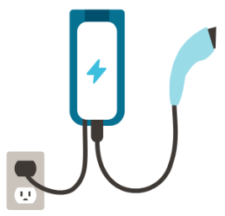
Level 1 charger (slow)
Level one chargers plug into a standard wall outlet (120V). This is delivered by a standard power cable plugged into a wall socket providing about 2kW per hour and often comes with the vehicle at purchase. It costs nothing to install; plug it in. Unfortunately, they are slow, often taking ten or more hours to recharge the typical car battery. But a level one charger is the cheapest option if you mainly run quick errands around town with occasional multi-hour trips.
- Small to medium battery (approx. 40kWh) – about 20 hours to charge.
- Large battery (approx. 75kWh) – about 37 hours to charge.
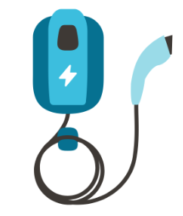
Level 2 charger (medium)
Level two chargers are a significant upgrade, as charging takes half the time (4-5 hours). A dedicated, wall-mounted charging unit delivers 7kW from a single-phase connection or 22kW from a three-phase connection. At home, these chargers can provide a full charge overnight and can also be found in some public charging stations, such as shopping centers. A qualified electrician must install these units.
- Small to medium battery (approx. 40kWh) – about 5.5 hours to charge.
- Large battery (approx. 75kWh) – about 10.5 hours to charge.

Level 3 charger (fast)
Level three (or “DC fast chargers”) are the quickest (30-60 minutes), they can deliver a charge from 50kW up to 350kW, but they are publicly owned. You’ll find them at highway rest stops, for example. There are around 2,500 public charging stations in Australia, and this number is constantly growing.
Follow us on our social networks